Lion Head with Floral Pattern Redwork
A Designer’s First Glance: Bold, Balanced, and Unmistakably Handmade
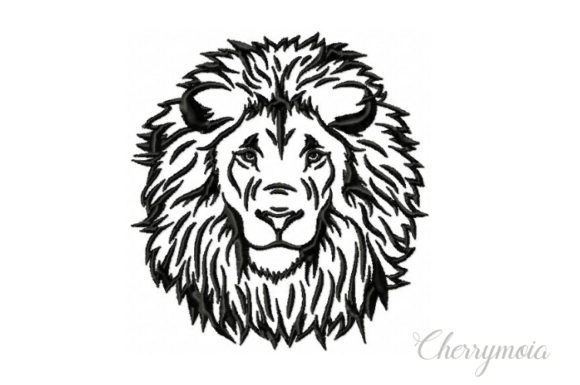
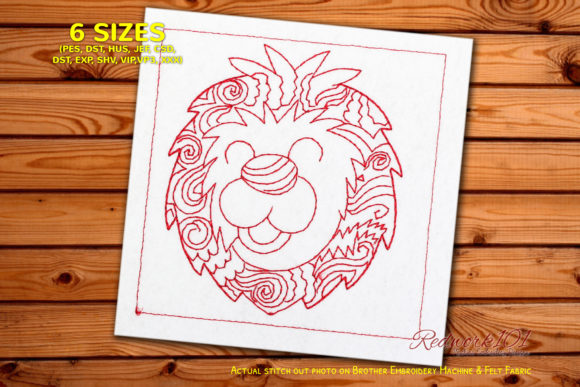
When Lion Head with Floral Pattern Redwork landed in my inbox, I paused—not because it’s flashy, but because it’s intentional. The lion isn’t roaring; it’s grounded, centered, and wrapped in delicate florals that soften without sacrificing strength. This isn’t a cartoon or clipart lion—it’s a redwork-style interpretation: clean lines, thoughtful negative space, and a rhythm between bold contour and subtle bloom. It reads as both heritage craft and contemporary design—ideal for makers who want authenticity without looking dated.
Real Project Test: Stitching It on a Linen Tote Bag for a Local Boutique
Last week, I prepped Lion Head with Floral Pattern Redwork for a custom run of linen tote bags—part of a small shop’s spring collection. I chose medium-weight natural linen, tear-away stabilizer, and 40-weight cotton thread in deep rust and warm cream. The result? A design that held its shape beautifully across the fabric’s subtle slub texture. The floral elements didn’t blur or “bleed” into one another, and the lion’s mane retained crisp definition even at 3.8" wide. Customers responded immediately: “It feels like art, not embroidery.” That’s the quiet power of this design—it elevates the finished product, not just the process.
Where It Shines (and Where to Pause)
Lion Head with Floral Pattern Redwork thrives in contexts where character matters more than cuteness:
- Custom apparel: Works exceptionally well on sweatshirts and structured tees—especially over left-chest or center-back placements. The balanced proportions prevent visual top-heaviness.
- Baby embroidery: Gentle enough for nursery decor (pillow covers, tea towels) but distinctive enough to avoid cliché. Avoid tight corners on onesies—test stitch density first.
- Embroidered patch: Clean outlines and moderate fill stitch make it ideal for iron-on or sew-on patches. Just confirm the outer box is optional before digitizing for backing.
- Holiday or wedding gifts: Its warmth and craftsmanship read as meaningful—not mass-produced. Perfect for monogrammed aprons or heirloom-style kitchen towels.
Use caution on:
- Thin or stretchy fabrics (like jersey or lightweight rayon)—the floral details may shift without proper cutaway stabilizer.
- Dark fabric backgrounds—redwork traditionally relies on contrast; test thread colors carefully. Cream or ecru thread on navy can vanish unless stitch density is adjusted.
- Curved surfaces (caps, curved pockets)—the central symmetry holds up, but avoid placing near seams or high-stretch zones without hooping support.
- Products requiring frequent washing (baby bibs, kitchen towels)—verify whether satin stitch areas are minimized or reinforced, since dense satin can stiffen or crack over time.
What It Does for Your Craft Business
As an Etsy seller and small shop owner myself, I judge designs by how they affect three things: customer trust, brand consistency, and repeat value. Lion Head with Floral Pattern Redwork builds trust—its clarity signals professionalism, not DIY guesswork. It supports brand consistency when paired with complementary designs (think botanical borders or minimalist animal silhouettes), and it invites repeat use: customers return for matching pillow + towel sets, or embroidered baby caps alongside blanket corners. Unlike overly intricate machine embroidery designs, this one doesn’t overwhelm the handmade product—it enhances it.
Practical Designer Notes Before You Stitch
This isn’t a “load-and-go” file. Treat Lion Head with Floral Pattern Redwork like a collaborator—not a shortcut. Here’s what I do every time:
- Test on scrap fabric first—especially if using textured or dark materials. Note how running stitch outlines hold up versus fill areas.
- Review stitch density in your embroidery software. Redwork often uses lighter fills; if yours looks overly heavy, reduce density by 10–15%.
- Confirm hoop size compatibility. The design fits comfortably in a 4x4 hoop, but check corner clearance if planning placement near edges.
- Inspect small details—petals, lion whiskers, stem junctions. If they’re too fine for your machine’s minimum stitch length, adjust or request a simplified version.
- Test black-and-white mockups before finalizing listings. This design gains strength in monochrome—it’s a good sign for versatility.
- Compare light vs. dark fabric previews using printable mockups. Redwork relies on tone, not saturation.
- Use appropriate stabilizer: tear-away for stable wovens, cutaway for knits or high-wear items like tote straps.
- Verify licensing before selling finished items or bundling as digital embroidery files. Wild Animals-themed designs sometimes carry usage restrictions for commercial embroidery or resale.
Final Thought: Not Just a Design—A Story Anchor
Lion Head with Floral Pattern Redwork doesn’t shout. It stands. That makes it unusually versatile for embroidery projects where emotional resonance matters—personalized gifts for graduates, boutique merchandise for nature-loving brands, or heirloom baby items passed down with intention. It’s the kind of embroidery file that makes customers pause, smile, and say, “Who made this?” That’s the mark of strong design assets: they don’t just decorate—they connect. Whether you’re stitching a single sweatshirt for a friend or scaling production for your craft business, this design earns its place in your library—not as filler, but as foundation.