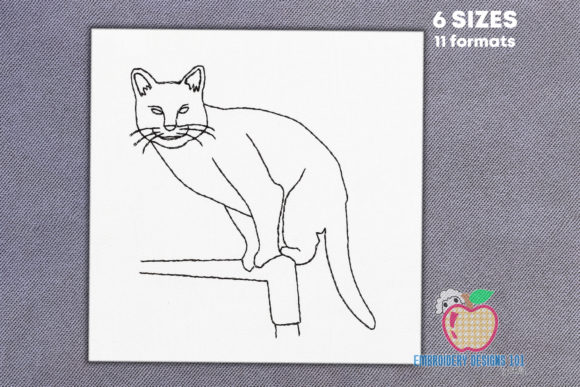
Black Cat Sketch: A Craft Fair Standout
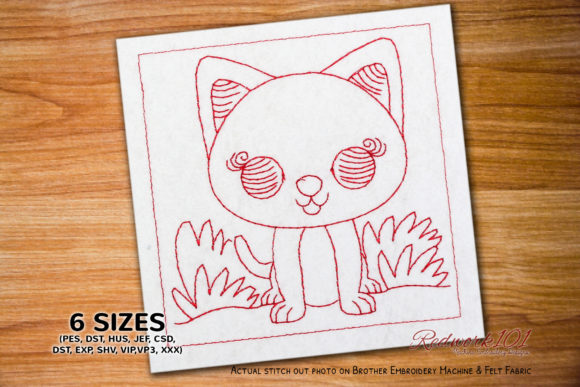
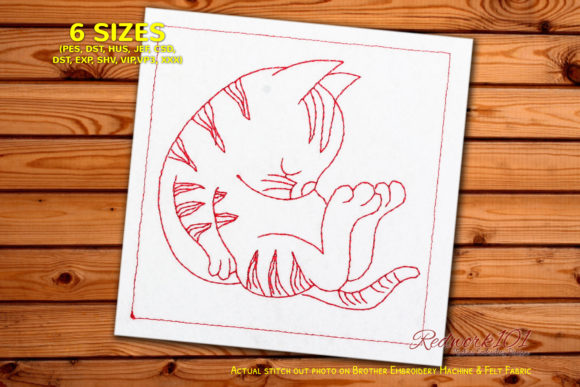
As an embroidery designer who’s prepped over 200 craft fair booths—from Portland maker markets to Nashville holiday bazaars—I’ve learned that not every cat design earns a second glance. Black Cat Sketch does. At first glance, it reads as bold, modern, and just slightly playful—no frills, no clutter, no overworked fill stitches. That “not 100% filled” detail in the description? That’s not a limitation—it’s the design’s secret strength. It lets fabric breathe, adds hand-drawn charm, and avoids the stiff, plasticky look that turns off discerning handmade shoppers.
Why Black Cat Sketch Catches Eyes—Not Just Glances
In a booth crowded with florals, monograms, and overly sweet motifs, Black Cat Sketch stands out for its confident minimalism. It’s not cute-cute—it’s quietly cool. Think indie bookstore tote, ceramic studio apron, or vintage-inspired tea towel. Customers don’t stop because it’s “adorable.” They stop because it feels intentional, curated, and authentically handmade. That sketch-line energy translates beautifully to real-world products: sharp enough for branding, soft enough for gifting, and distinctive enough to anchor a cohesive booth display.
Where Black Cat Sketch Shines—and Where It Needs Care
Tote bags: Ideal as a centered chest logo (medium size) or subtle side accent (small). The open stitch layout prevents bulk on canvas or denim, and the clean silhouette photographs crisply for Etsy listings and Instagram reels.
Aprons and tea towels: Perfect at medium-to-large scale. On linen or unbleached cotton, the sketch lines echo natural fiber texture—no competing with fabric grain. Avoid ultra-thick terry or heavily textured waffle weaves unless you test stabilizer layers first.
Embroidered patches: A top-tier candidate. Its low stitch density means clean cut edges, easy peel-away backing, and crisp iron-on application—even on curved surfaces like denim jackets or corduroy caps.
Caps and curved items: Use the small or extra-small size only. Test hoop placement and tension on scrap fabric first—the sketch’s fine lines can blur on high-curve areas if thread tension isn’t dialed in.
Pillow covers and pouches: Strong focal point at large scale. Because it’s not fully filled, it won’t overwhelm delicate fabrics like chambray or lightweight linen—and it adds visual interest without weight.
Production Realities Every Seller Must Check
Before loading Black Cat Sketch into your embroidery machine, treat it like a new hire: vet it thoroughly. Test the design on scrap fabric that matches your final product—especially if using dark fabric (contrast thread is non-negotiable) or textured towels (stabilizer choice affects line clarity). Review spacing between elements: does the tail curl cleanly? Do ear points stay sharp? Confirm hoop size compatibility—some “multiple sizes” files shrink poorly below 2.5 inches, risking lost detail.
Stitch density matters more than you think. Since Black Cat Sketch isn’t densely filled, it’s forgiving on lightweight fabrics—but that also means tiny details (like whisker hints or eye highlights) may vanish under 1.75 inches. If you’re selling embroidered patches under 2 inches, inspect the smallest file version closely. Don’t assume “small size” = “still legible.”
How Black Cat Sketch Builds Your Brand—Not Just Your Booth
This isn’t just another cat embroidery file. It’s a versatile design asset that reinforces premium handmade quality. When stitched cleanly on a heavyweight market bag or minimalist pillow cover, Black Cat Sketch signals attention to detail—not just execution, but editing. You chose restraint. That resonates with buyers who skip mass-produced goods for intentionality.
For Etsy sellers and small shop owners, it’s highly repeatable across product lines: same design, different formats (patch, towel, tote), unified by consistent thread palette (charcoal gray + cream works across black, oat, navy, and burgundy fabrics). That cohesion strengthens booth presence and builds recognition—shoppers remember the sketch, not just the cat.
Smart Next Steps Before You Stitch
- Check commercial licensing before selling finished products—this is a digital embroidery file, and usage rights vary by seller.
- Create at least one real mockup before ordering bulk fabric. A single embroidered tea towel tells you more than ten printable mockups ever could.
- Compare thread colors across fabric bases. What reads as moody charcoal on ivory linen might disappear on heather gray cotton.
- Inspect stitch order and jump threads—a clean sketch relies on smooth transitions. Long jumps can snag on textured surfaces.
- Use tear-away + light cut-away stabilizer combo for structured items (caps, pouches); pure tear-away works well for tea towels and totes.
Final Verdict: A High-Return Craft Fair Staple
Black Cat Sketch earns its place in your embroidery library because it balances personality with practicality. It’s not novelty—it’s longevity. It sells not because it’s trending, but because it fits seamlessly into real lives: the ceramicist’s apron, the baker’s market bag, the librarian’s tote, the witchy boutique’s pillow cover. As a machine embroidery design, it’s efficient to run, kind to your machine, and generous to your fabric. As a craft fair product, it invites conversation, supports brand storytelling, and converts browsers into buyers—without shouting.
If you’re curating a lineup of handmade products for your next market weekend, Black Cat Sketch isn’t just “another cat.” It’s your quiet confidence, stitched.